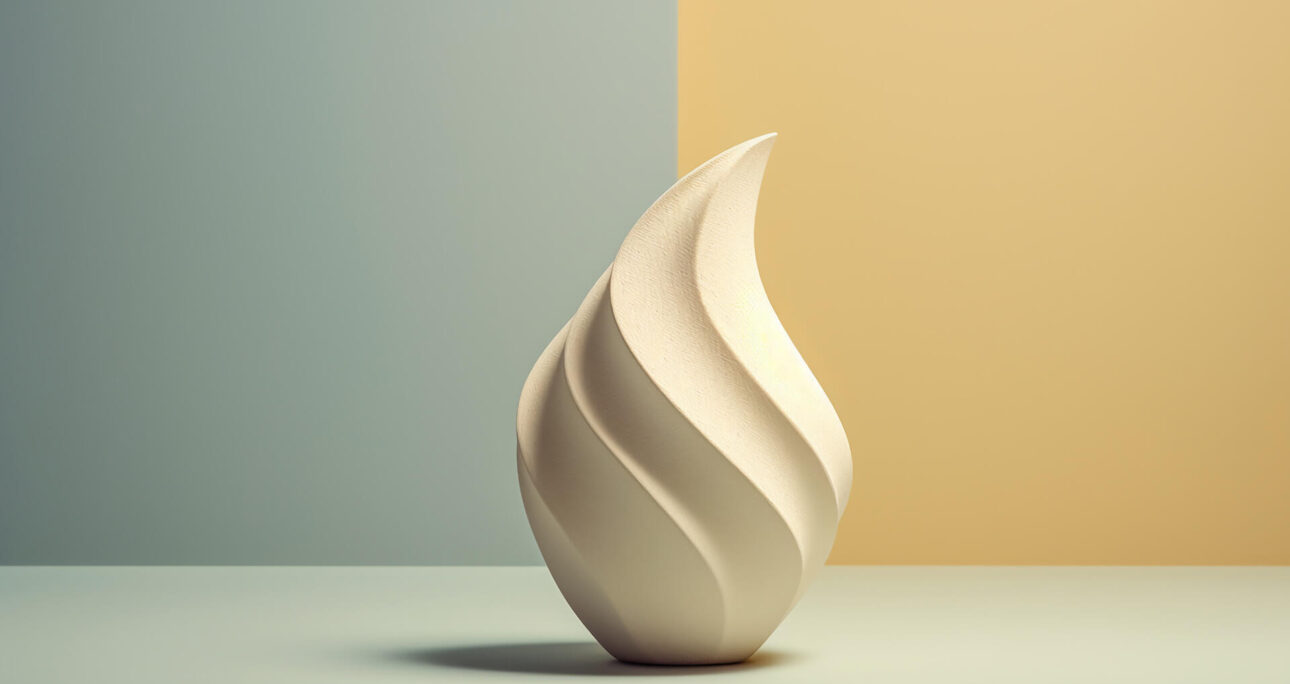
Minimalism in design is the art of delivering powerful messages by emphasizing simplicity. Embracing the philosophy of “less is more,” this approach blends aesthetics and functionality in design. As a result, your message reaches the target audience clearly and effectively.
Minimalism in Design and Its Core Elements
To create a minimalist design, attention to several key elements is essential:
- Use of White Space
White space creates balance in minimalist designs. These empty areas help make the design look cleaner and more organized. Additionally, they allow viewers to notice important elements without straining their eyes. For instance, incorporating ample white space on a website enhances user experience. - Enhancing the Message with Typography
Correct typography selection plays a crucial role in minimalism in design. You can establish a clear hierarchy by utilizing a limited number of typefaces. Simple and modern fonts, such as sans-serif typefaces, leave both a professional and aesthetic impression. Consequently, your texts become easier to understand and more impactful. - Simple and Effective Color Palettes
Color selection is one of the most critical aspects of minimalist design. Using a limited number of colors helps maintain consistency. Neutral tones or pastel colors are typically preferred to emphasize tranquility and balance. For example, white and gray shades are frequently used in minimalism. - Simple and Clean Lines
In minimalist design, using simple and clean lines is essential. Simple lines and geometric shapes should be preferred over complex patterns and excessive details. This ensures the design maintains a modern and stylish appearance.

Advantages of Minimalism
Minimalism in design offers numerous advantages for brands. Firstly, it ensures the message is understood quickly and effectively by presenting clear visuals. Furthermore, minimalist designs offer universal appeal across various sectors and resonate with wide audiences. This simple approach establishes a professional and modern perception within brand identities. Consequently, minimalism in graphic design enhances a brand’s competitive advantage.
Strengthening Through Simplification
Creating a minimalist design necessitates questioning the functionality of every detail. Consequently, every element serves a specific purpose and contributes to the design’s overall narrative. This conscious approach establishes a powerful balance between aesthetics and functionality. Furthermore, minimalism in design is timeless and requires fewer updates in the long run, offering a truly sustainable solution.
Conclusion: Saying More with Less
Minimalism in design offers a powerful communication tool derived from simplicity. When elements such as white space, simple color palettes, and strong typography come together, timeless and effective designs emerge. Brands that adopt this approach leave a lasting and notable impression in the modern world. Ultimately, minimalism in design is not just an aesthetic choice but also a strategic tool. The power born from simplicity allows messages to be delivered in a lasting and effective way.
Extra Tips: Achieving Success with Minimalism in Design
- Thoughtful Layout Planning: Balancing the placement of elements improves the flow of the design.
- Prioritizing Functionality: Every design element should serve a purpose, avoiding unnecessary details.
- Consistent Style Usage: A consistent style strengthens brand identity and ensures a professional appearance.
By embracing minimalism in design, you can create works that are both visually and functionally strong and impactful. This approach helps deliver your message most effectively, aligning with the needs of modern design.
To learn about the design trends shaping 2025, check out my article titled 2025 Design Trends.