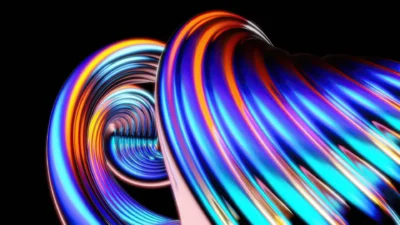
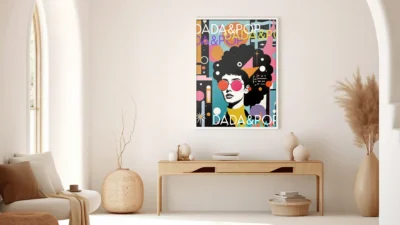
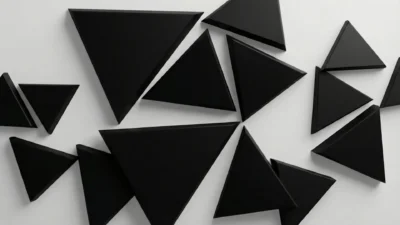
The year 2026 is poised to be a defining moment for aesthetics in the graphic design world, reshaped by both technology and the human touch. Designers are no longer focusing solely on visual appeal; instead, they are prioritizing work that carries deep meaning, sustainability, and emotional connection. When we consider the 2026 graphic design trends, the democratization of digital production tools, the widespread adoption of AI, and a shift towards cultural awareness emerge as the core drivers of this transformation. Let’s explore the 15 major design trends that will dominate 2026 together.
1. Retro-Futurism / Modern Retro Aesthetic
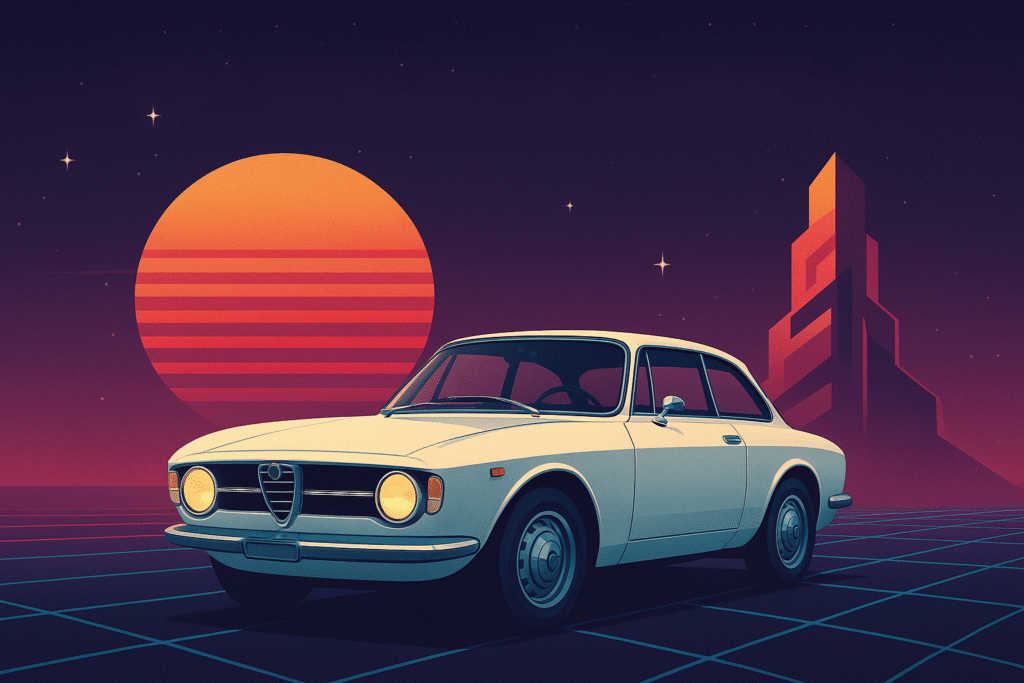
Retro-futurism is a powerful visual narrative that seamlessly blends nostalgic elements of the past with the aesthetic language of the future. The neon palettes of the 70s, pixel aesthetics of the 80s, and bold typography of the 90s are being reinterpreted through futuristic textures generated by AI. This approach successfully captivates audiences who yearn for the past while remaining curious about the future. Consequently, as one of the standout 2026 graphic design trends, modern retro designs are set to create an emotional bond and a sense of innovation simultaneously.
Applications: Gaming and music industries, digital art, brands’ retro campaigns, movie posters, and nostalgic product launches by tech companies.
2. Neo-Minimalism (The New Language of Quiet Power)
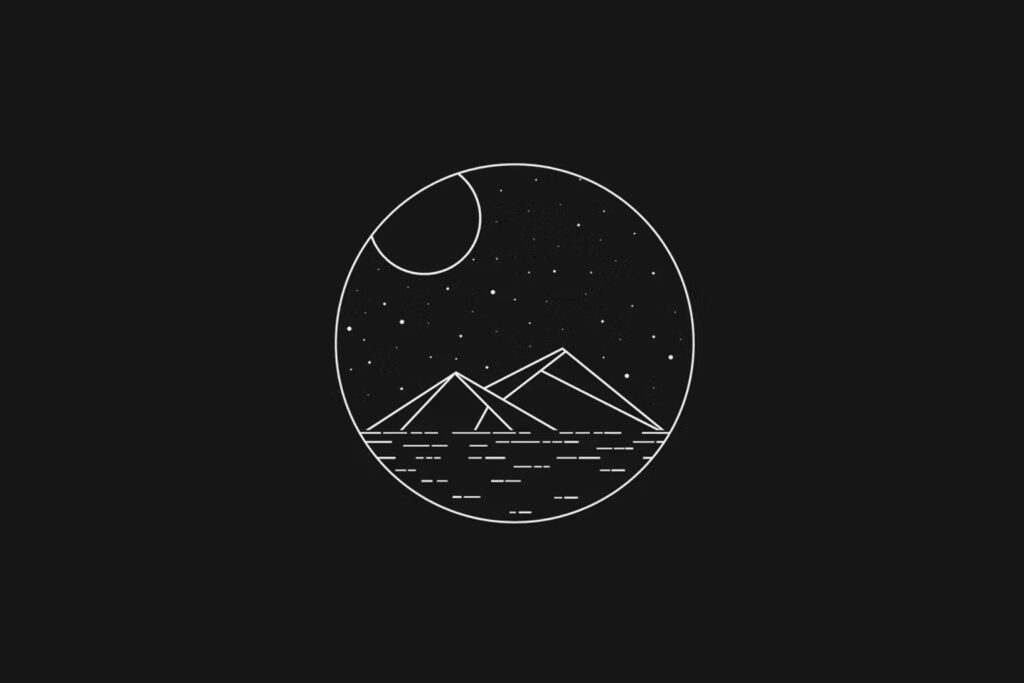
Neo-minimalism is a new approach where simplicity transcends the ordinary to become a silent power. By stripping away every unnecessary element, the design speaks solely through its essence. However, 2026 graphic design trends are redefining minimalism; it is no longer cold but is now supported by warm tones, soft typography, and balanced white space. This style is particularly ideal for crafting user-friendly experiences on digital platforms.
Applications: Corporate identities, mobile interfaces, web designs, premium brand packaging, and digital products in the finance sector.
3. Maximalism / The Era of Chaotic Packaging
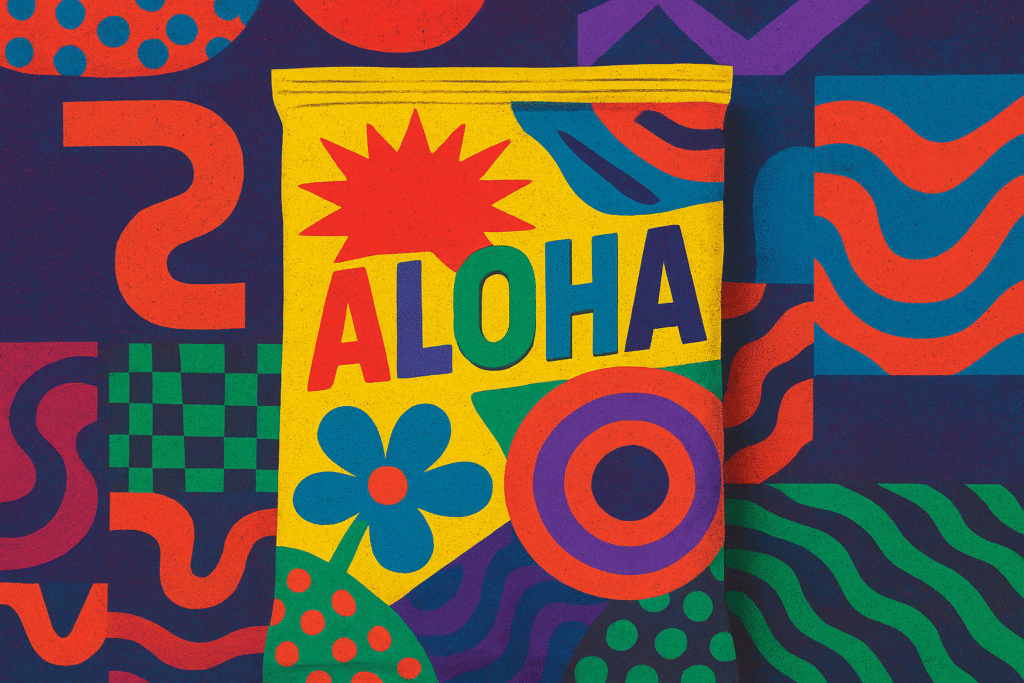
Maximalism is a visual explosion emerging as a reaction to simplification. It creates emotional intensity through complex patterns, contrasting colors, and layered typography. 2026 graphic design trends specifically highlight the ‘chaotic order’ effect in packaging designs. As a result, this aesthetic has become a powerful tool for capturing attention and emphasizing individuality.
Applications: Cosmetic and fashion packaging, youth-oriented brands, magazine covers, and music album designs.
4. The Return of Saturated Colors
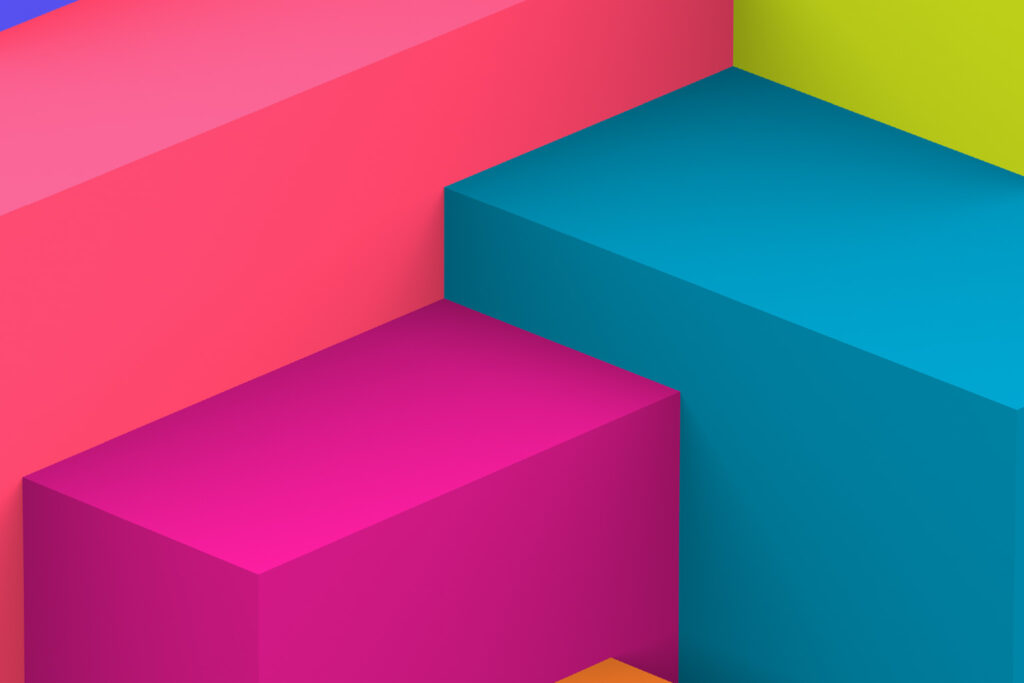
With 2026 graphic design trends, pale pastel tones are now giving way to energy-filled, vibrant colors. Additionally, this trend is technically supported by the evolution of digital screens into higher resolutions. The increase in color saturation, in particular, has become a powerful weapon in brands’ battle for attention. At the same time, these colors create an emotionally positive and energetic atmosphere.
Applications: Social media content, advertising campaigns, fashion visuals, and e-commerce product showcases.
5. Organic Flow and Multi-Dimensional Experiences
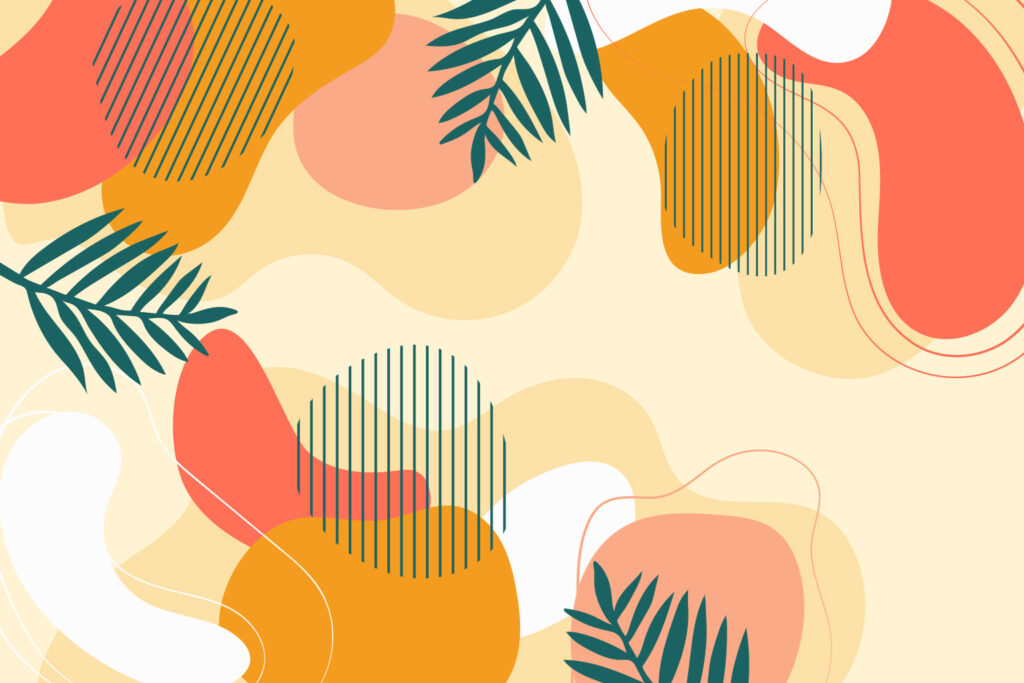
In 2026, design is transcending its two-dimensional boundaries. Within the scope of 2026 graphic design trends, fluid forms, depth layers, and dynamic perspectives create an immersive experience that draws the viewer in. This approach grants brands an identity that is both artistic and interactive. Thus, the sense of ‘movement’ in the visual keeps the user engaged for a longer duration.
Applications: Web pages, 3D advertisements, virtual event stages, and interactive presentations.
6. Design with Artificial Intelligence
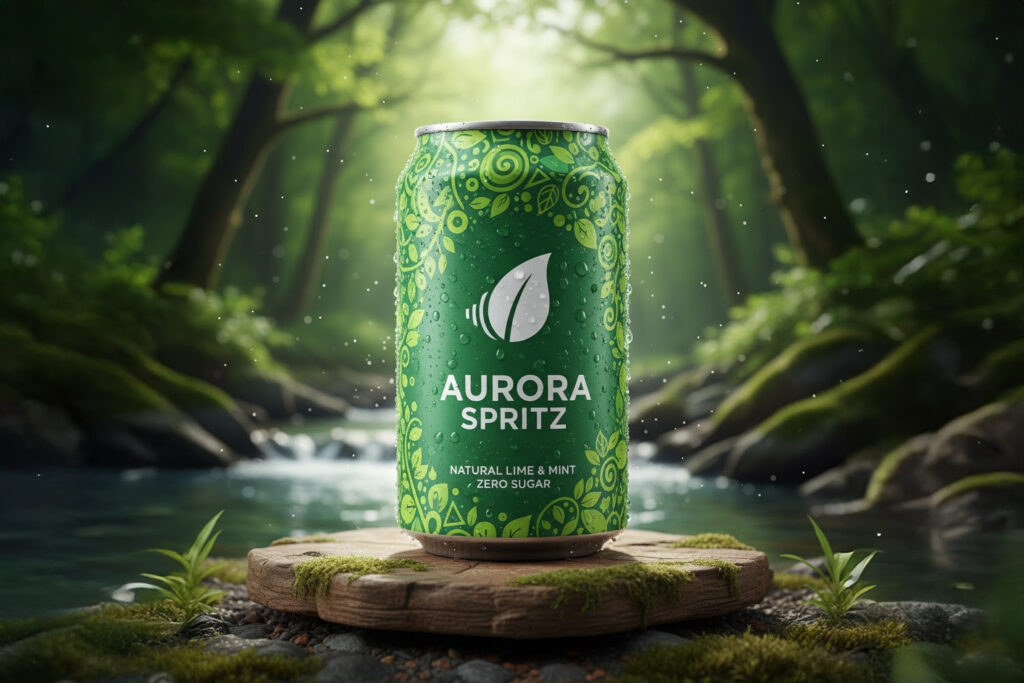
Artificial intelligence is no longer just a tool; on the contrary, it has become a creative partner. Designers are blending the unlimited power of combination and variation offered by AI with their own aesthetic perspectives. The resulting outcomes are both unexpected and unique. For this reason, within the landscape of 2026 graphic design trends, AI-assisted design production will redefine the balance of speed, personalization, and creativity.
Applications: Digital illustrations, advertising campaigns, data visualization, and brand identity development.
7. Custom Iconography and Brand Presence
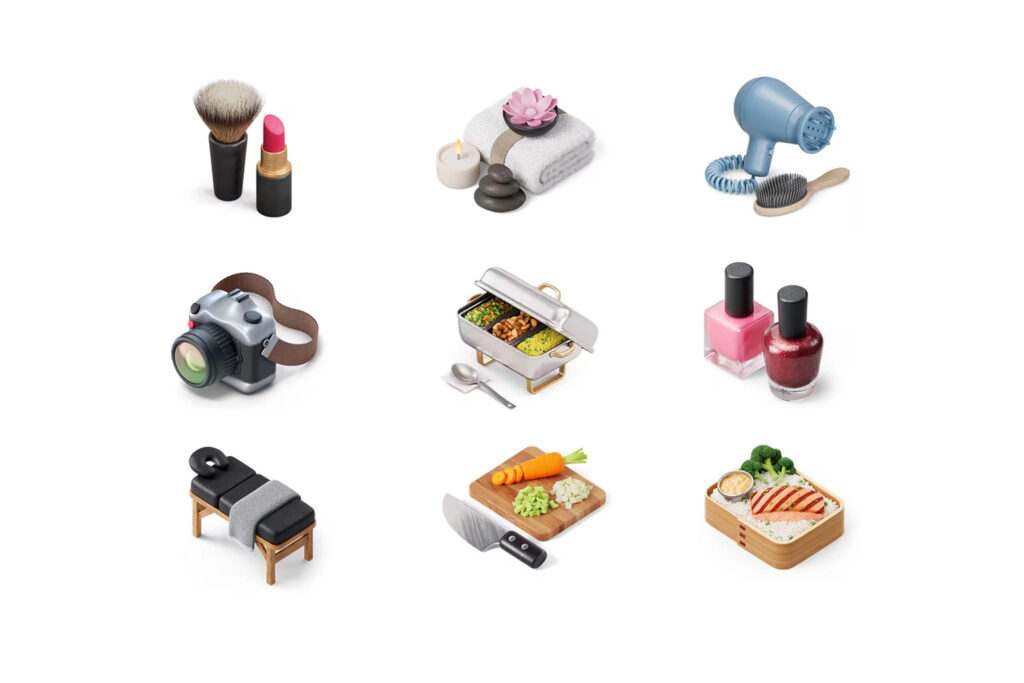
Cliché symbols are giving way to brand-specific, culturally meaningful icon systems. Therefore, custom iconography has become an effective way to convey a brand’s character without words. This approach creates an emotional bond as well as corporate consistency. For this reason, in line with 2026 graphic design trends, brands are set to rewrite their visual alphabets.
Applications: Brand identity systems, user interfaces, wayfinding designs, and data-driven infographics.
8. Animation and Micro Movements
Static designs are now giving way to living visuals. Moreover, micro-animations are being used to enhance user interaction and establish an emotional bond. As a prominent feature of 2026 graphic design trends, this shift directly reflects the energy of brands, especially in digital communication. Ultimately, motion transforms into a form of ‘storytelling’ that goes beyond merely capturing attention.
Applications: Social media ads, UI/UX designs, brand promotional videos, and web animations.
9. Sustainability and Ethical Design
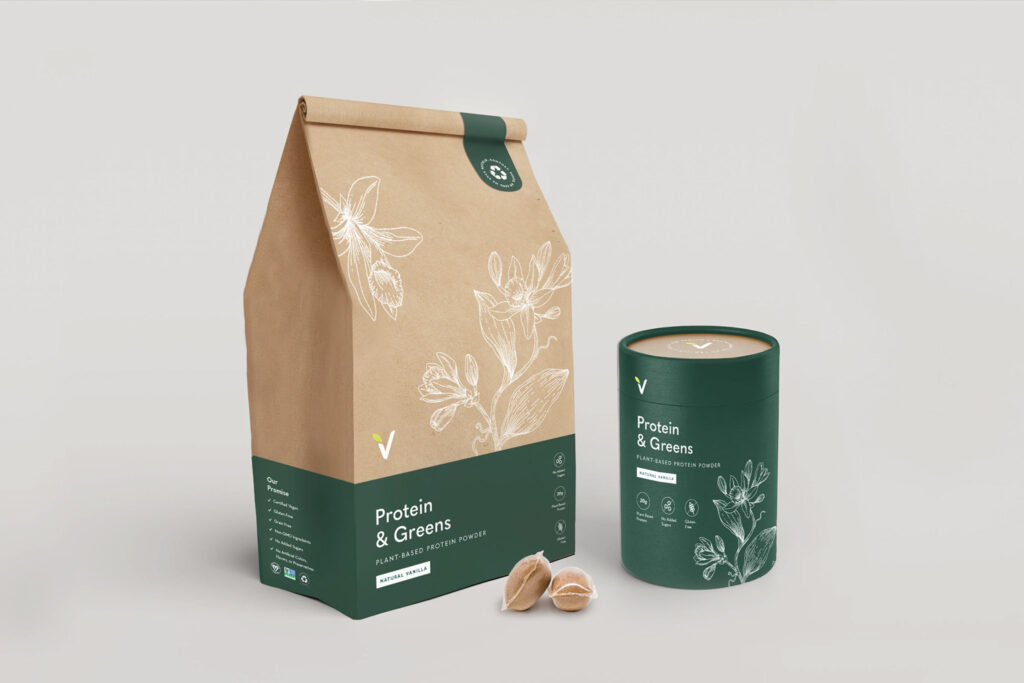
2026 graphic design trends are taking shape around sustainability and environmentalism. The purpose of design is no longer just about sales; it now carries a sense of responsibility. Sustainability has evolved into a cultural value as much as an environmental one. Consequently, recyclable materials, minimalist printing techniques, and visuals reflecting social awareness are becoming the norm. Ultimately, this trend makes the ethical stance of brands visible.
Applications: Corporate communication, eco-conscious brands, packaging design, and social campaigns.
10. The Return of Serif Typography
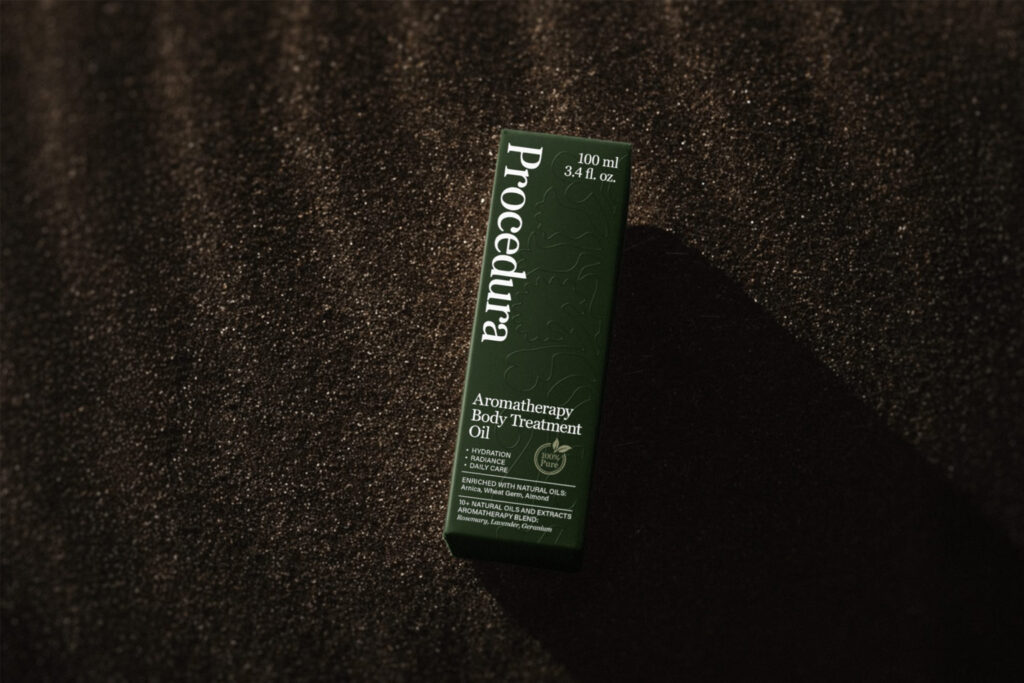
Long-overlooked serif fonts are making a comeback. By evoking traditional trust and modern elegance, they offer a powerful identity element for brands. Simultaneously, serifs combine nostalgia and a sense of trust while maintaining readability even in digital environments. in this context, 2026 graphic design trends encourage designs to adopt a more human tone.
Applications: Brand logos, magazine covers, web typography, and luxury product packaging.
11. Modular Design and Flexible Identity Systems
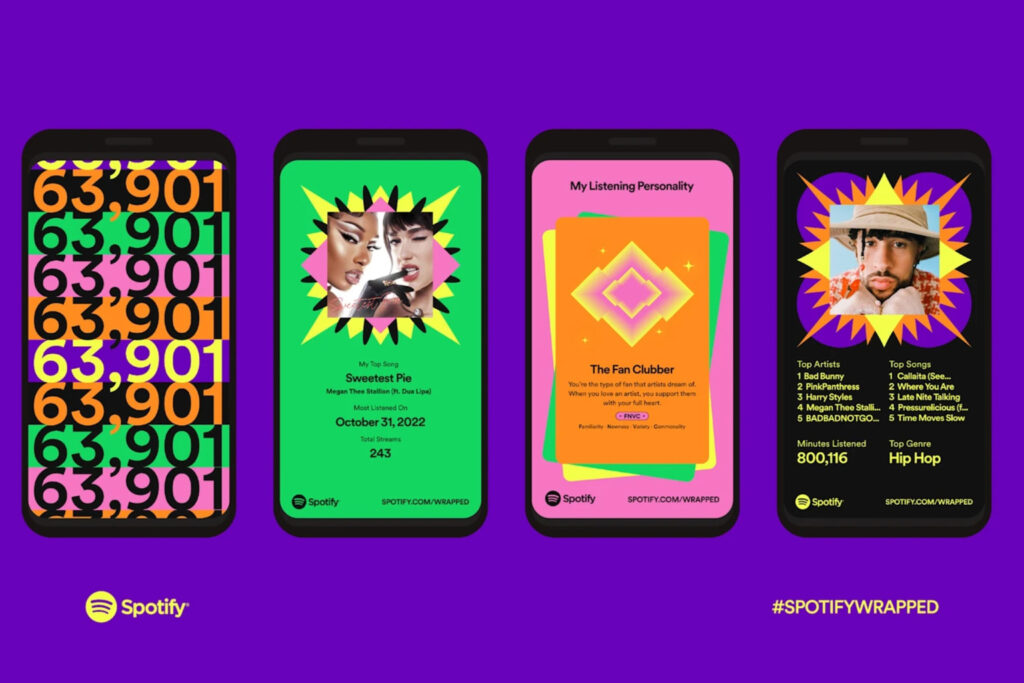
Visual identity is no longer static; it now possesses a transformable structure. Thanks to modular systems, brands can create identities that easily adapt to different platforms. At the same time, this approach maintains consistency while responding to the speed of the digital age. Therefore, 2026 graphic design trends will make flexibility the new key to branding.
Applications: Corporate identity systems, social media templates, and web and app interfaces.
12. Naive Design / Handcrafted Aesthetic
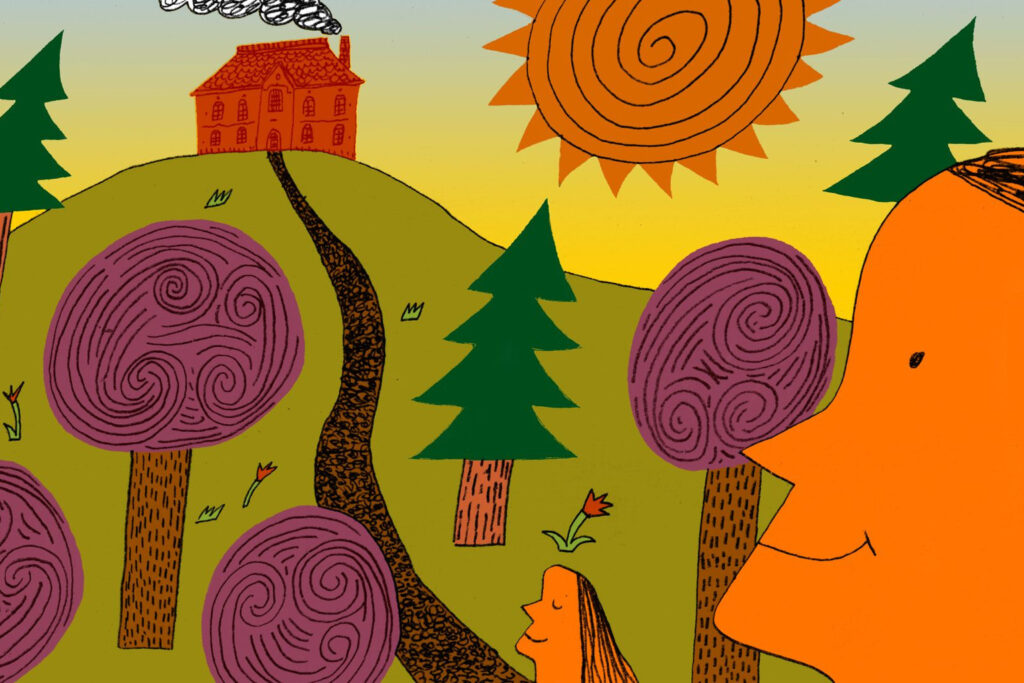
Naive design draws strength from a conscious simplicity; it creates expression through basic elements without getting lost in excessive detail. In addition, a hand-drawn feel and organic textures make the design warmer and more sincere, establishing a direct bond with the audience. Furthermore, asymmetric compositions and simple geometric forms break the rigidity of layouts, creating an imperfect yet aesthetic balance. As a result, 2026 graphic design trends now prioritize designs that reflect humanity and sincerity over perfection; this trend allows brands to re-emphasize their human side and fosters a sense of trust in the viewer.
Applications: Handcrafted brands, illustrative logos, packaging designs, and social media posts.
13. Mixed-Media Compositions
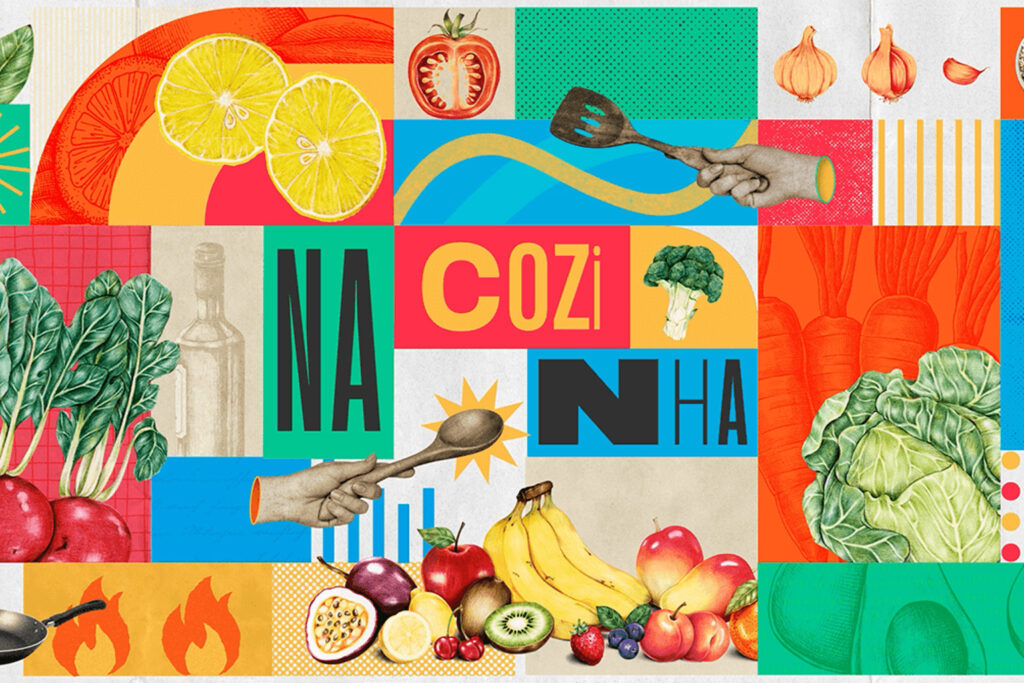
This approach, in which photography, illustration, typography, and 3D elements are used together, creates richness and depth in design. Thus, the hybrid structure resulting from the combination of different techniques lends originality to brands. Consequently, within the scope of 2026 graphic design trends, this approach is becoming the standard language of digital art.
Applications: Fashion magazines, digital art projects, brand campaigns, and video title sequences.
14. Sticker Aesthetic / Visual Collectible Culture
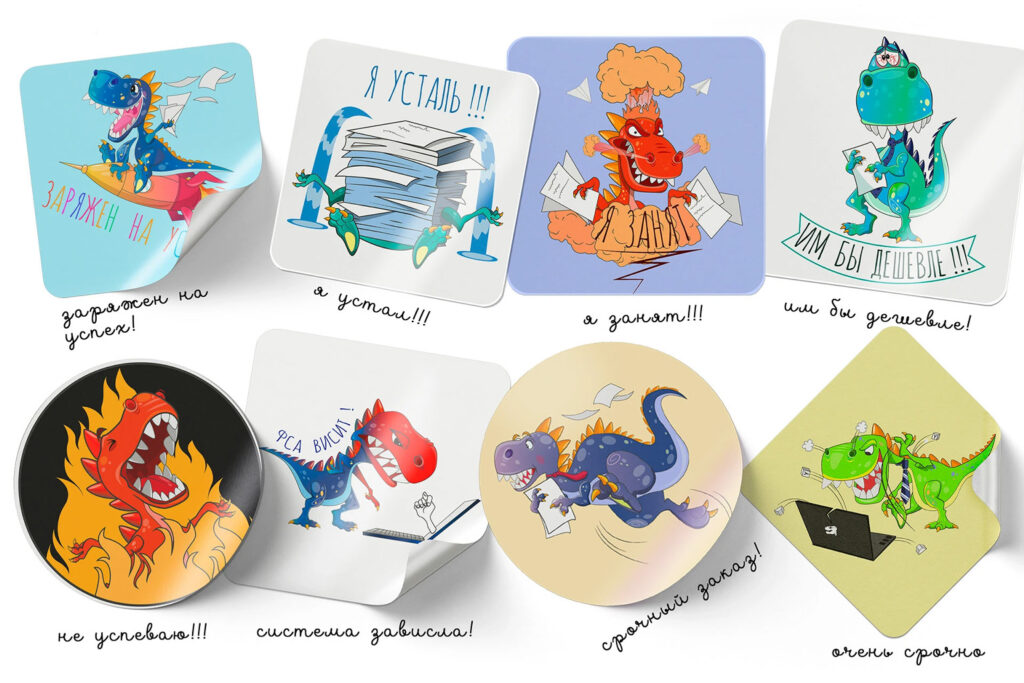
Sticker aesthetics has become a digital reflection of youth culture. In the context of 2026 graphic design trends, sticker-like graphics are used as forms of identification and expression in both physical and digital environments. At the same time, this approach makes the user a part of the design process. It creates a gamification effect, especially in visual communication.
Applications: Social media stories, youth-oriented brands, packaging designs, and festival identities.
15. Cinematic Photography
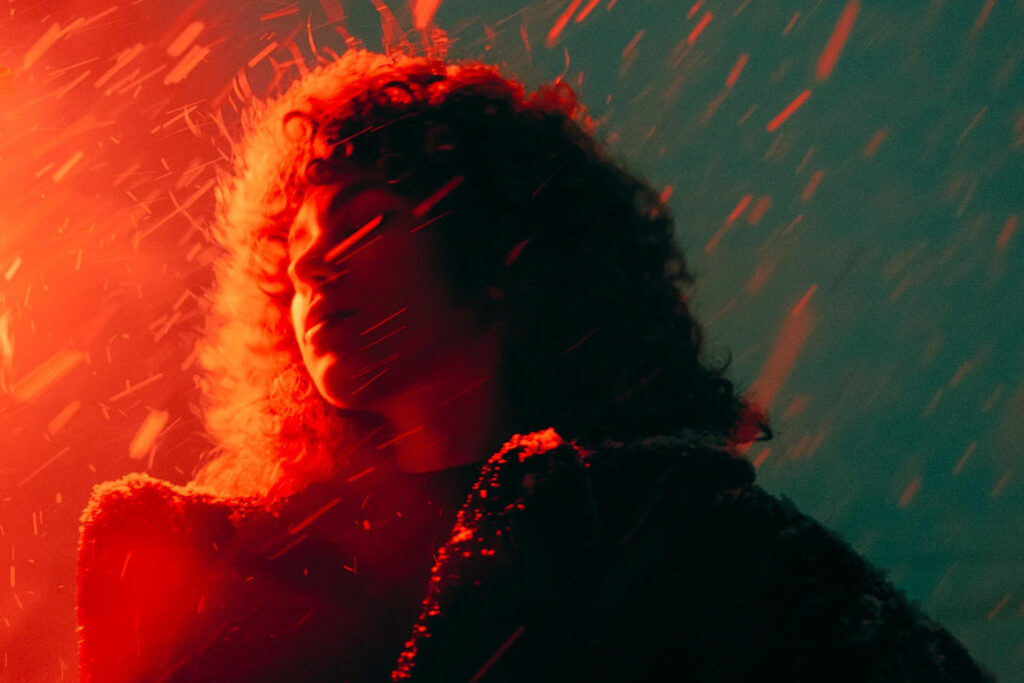
Cinematic visuals tell a story rather than just showcasing a product. With deep contrasts, dramatic lighting, and emotional framing, the viewer is drawn directly into the scene. 2026 graphic design trends encourage brands to use powerful designs with strong atmospheres that resemble film stills. Ultimately, this trend enhances the emotional narrative power of brands.
Applications: Fashion campaigns, brand storytelling, video thumbnails, and web hero visuals.
Conclusion: Why is Design Language Changing with 2026 Graphic Design Trends?
Graphic design trends in 2025 were characterized by a simple, pastel, and functional identity. In contrast, 2026 graphic design trends represent the exact opposite: a year marking the return of meaning, energy, and the human touch. There are three fundamental dynamics behind this shift:
- Socio-Cultural: In the post-pandemic era, people have sought belonging, authenticity, and creativity once again. This shift encourages more personal, emotional, and experience-focused designs.
- Political: Global uncertainties are driving brands to strengthen their social positioning; this is a key reason behind the rise of sustainability and ethical design.
- Technological: Artificial intelligence and 3D technologies are not only increasing the speed of design production but also redefining the concept of originality.
In 2026, design is becoming a language that carries value, connection, and awareness, rather than just appealing to the eye. Consequently, the silent power of design is no longer hidden merely in aesthetics, but in its intent, defining the essence of 2026 graphic design trends.
References:
If you enjoyed this content, you can also check out my article on minimalism in graphic design: Minimalism in Design: Inspiration from Simplicity.